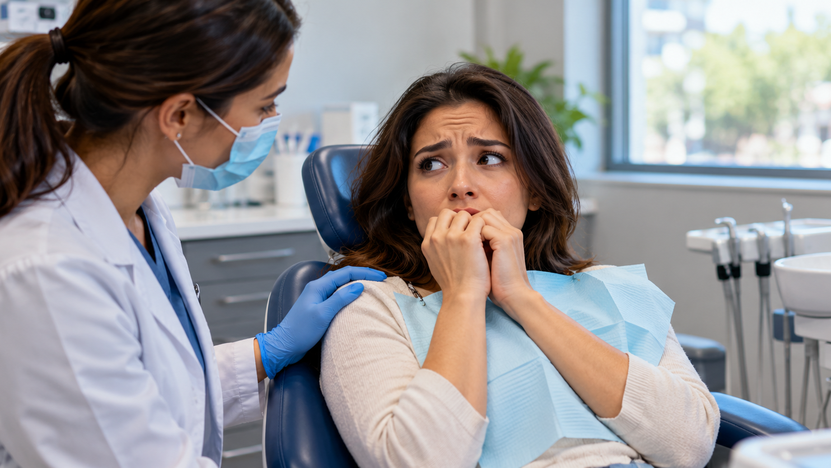

Dental Anxiety Statistics NJ patients search for often point to one important message: dental anxiety is common, and avoiding the dentist can allow small dental concerns to become more complex over time. If dental fear has kept you from scheduling a visit, a calm, patient-first dental consultation can help you understand your options without pressure.
Many adults in Somerset County delay dental care because of fear, past experiences, uncertainty, or worry about being judged. This guide explains what dental anxiety statistics can tell us, why some patients avoid the dentist, and practical steps that may make a dental visit feel more manageable.
Table of Contents
- What Is Dental Anxiety?
- What Do Dental Anxiety Statistics NJ Patients Should Know Mean?
- Why Do Patients Avoid the Dentist?
- How Avoiding the Dentist Can Affect Oral Health
- Ways to Feel More Comfortable Before a Dental Visit
- What to Expect at a Patient-First Dental Visit
- Frequently Asked Questions
- Schedule a Comfortable Dental Visit in Somerset County
What Is Dental Anxiety?
Dental anxiety is a feeling of worry, nervousness, or fear related to dental visits, dental procedures, or dental environments. Dental fear can range from mild nervousness before a cleaning to stronger anxiety that causes someone to postpone care for months or years.
Dental anxiety is different for every patient. Some people feel uneasy about needles or dental instruments, while others worry about pain, cost, judgment, or a previous uncomfortable experience. A dental team that listens and explains each step can help make visits feel more manageable.
What Do Dental Anxiety Statistics NJ Patients Should Know Mean?
Dental Anxiety Statistics NJ patients often encounter are usually based on broader national or international research rather than a single New Jersey-only dataset. These studies consistently show that dental anxiety is common among adults and that a smaller group experiences dental fear severe enough to delay or avoid care.
The exact percentage varies by study, population, and how anxiety is measured. However, the overall takeaway is clear: if you feel nervous about visiting the dentist, you are not alone. Dental anxiety is a common experience, and it should not prevent you from asking questions or requesting a more comfortable, patient-centered approach to care.
Why Do Patients Avoid the Dentist?
Patients avoid the dentist for many reasons, and dental anxiety is only one of them. Understanding the reason can make it easier to find a solution that feels right for you.
- Fear of pain or discomfort during a dental procedure.
- A previous negative or stressful dental experience.
- Concern about being judged for missed cleanings, cavities, or gum concerns.
- Uncertainty about treatment costs, insurance coverage, or treatment recommendations.
- Feeling rushed, unheard, or unsure about what will happen during the visit.
- Difficulty finding time for an appointment because of work, family, or transportation needs.
A patient-first dental practice can help by listening without judgment, explaining treatment options clearly, and allowing patients to move at a pace that feels comfortable.
How Avoiding the Dentist Can Affect Oral Health
Avoiding the dentist may allow concerns such as plaque buildup, cavities, gum inflammation, or tooth sensitivity to continue without evaluation. Over time, a small concern can become more complex and may require more extensive treatment.
Regular dental checkups and cleanings give a dentist the opportunity to identify changes early, answer questions, and recommend appropriate care. This does not mean that every dental concern becomes serious, but routine visits can support preventive care and help patients feel more informed about their oral health.
Learn about professional dental hygiene and cleanings: https://www.friendlydental.us/services/preventative/dental-hygiene/
Learn more about periodontal disease care: https://www.friendlydental.us/services/other/periodontal-disease/
Ways to Feel More Comfortable Before a Dental Visit
If dental anxiety has kept you from booking an appointment, small steps may help make the experience feel less overwhelming.
- Schedule a consultation first and explain that you feel nervous about dental visit
- Ask the dental team to explain each step before it happens.
- Bring a trusted friend or family member for support if it helps you feel more comfortable.
- Schedule an appointment at a time of day when you feel less rushed or stressed.
- Use headphones or calming music if the dental office allows it.
- Ask about breaks during treatment if you need a moment to pause.
- Start with a checkup and cleaning rather than delaying care until symptoms become more noticeable.
These steps may help some patients feel more in control, but every person’s needs are different. A dental team should adapt its approach to your comfort level and preferences.
What to Expect at a Patient-First Dental Visit
A patient-first dental visit should begin with listening. The dental team can ask about your concerns, explain the examination process, and answer questions before recommending treatment.
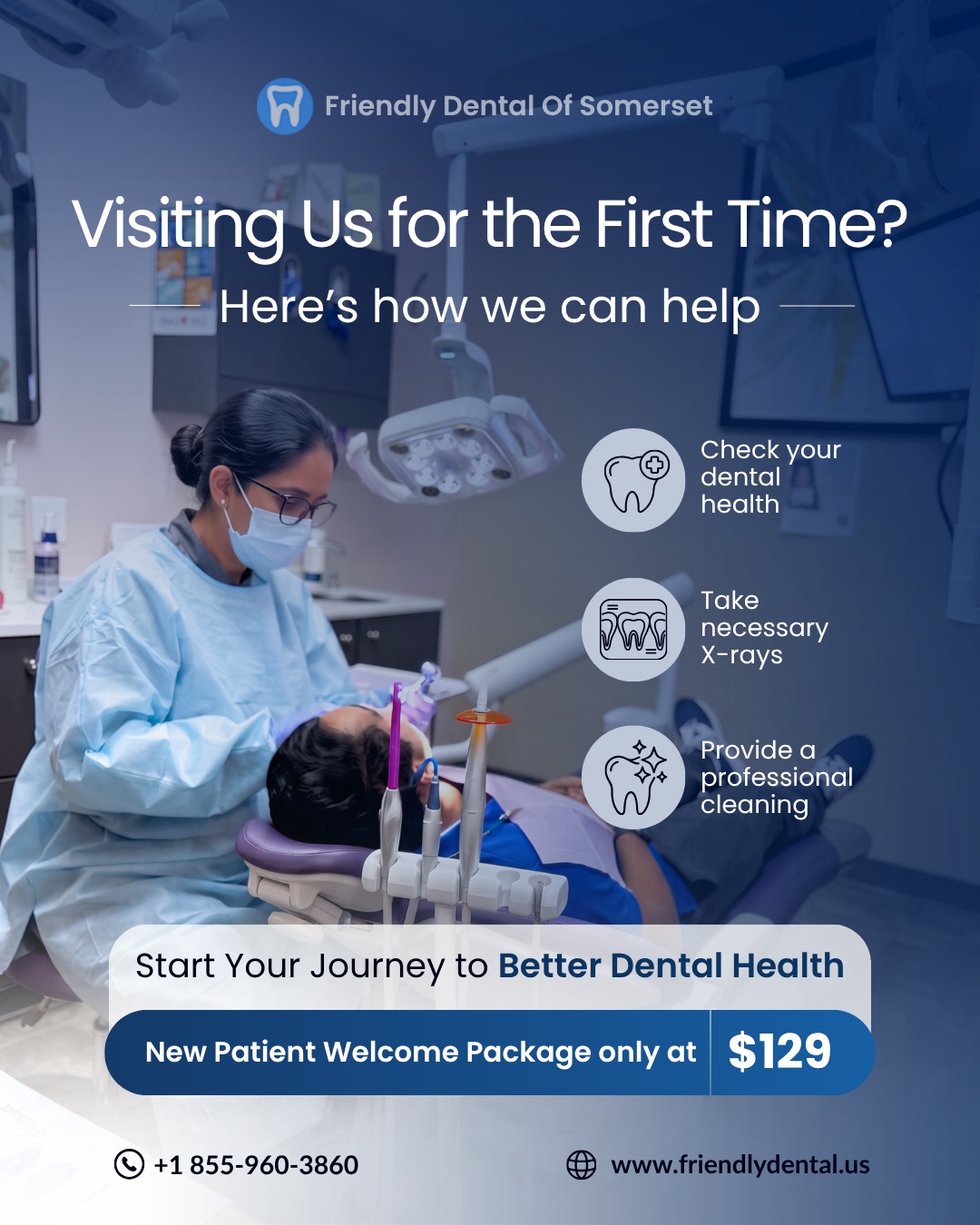
At Friendly Dental of Somerset, the team aims to make dental visits as comfortable and stress-free as possible. Patients are encouraged to share their concerns, ask questions, and request clarification about any recommended care. Bilingual support is also available for patients who prefer communication in English or Spanish.
Explore Friendly Dental of Somerset services
Frequently Asked Questions
Conclusion
If dental anxiety has kept you away from the dentist, Friendly Dental of Somerset is here to help. We welcome patients from Somerset, Franklin, Hillsborough, Bridgewater, Manville, New Brunswick, and nearby areas.
Call Friendly Dental of Somerset at +1 855-960-3860 to request an appointment and discuss how we can help make your visit more comfortable.
Disclaimer: This content is for general educational purposes only and is not a substitute for a dental exam, diagnosis, or personalized treatment plan. Please schedule a consultation with Friendly Dental of Somerset or contact a qualified dental professional for advice specific to your oral health. Individual experiences and treatment needs vary.