
If your dentist has told you that a severely damaged or infected tooth needs treatment, you are likely facing one of the most common dental decisions: should you save the tooth with root canal therapy, or have it extracted? For patients in Millstone, NJ and surrounding Somerset County communities, understanding the real differences — in cost, recovery, and long-term oral health — can save you thousands of dollars and years of complications.
This guide breaks down both options clearly, debunks the biggest myths about root canals, and helps you make the most informed choice for your smile.
The Quick Answer: Root Canal vs. Tooth Extraction
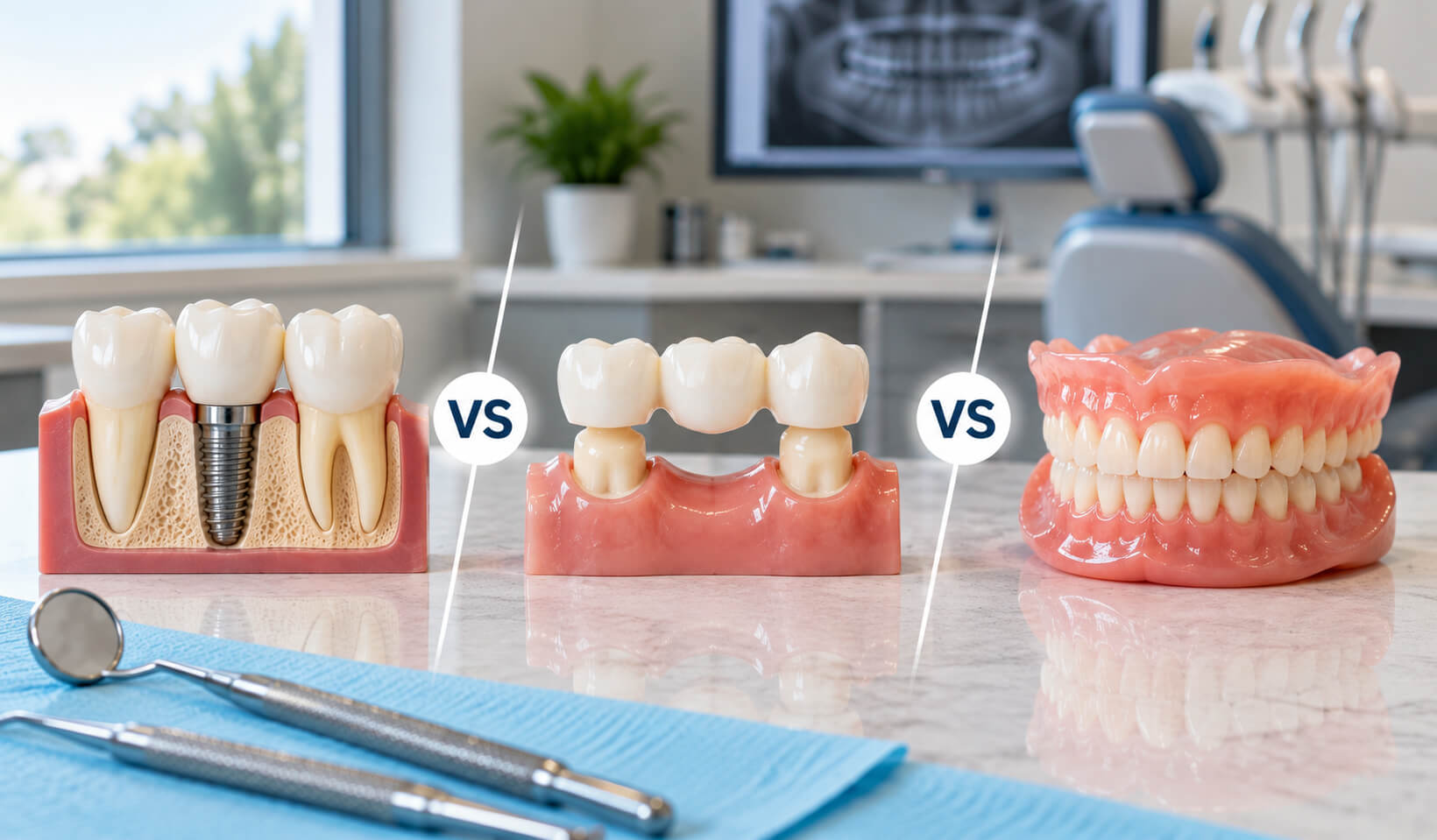
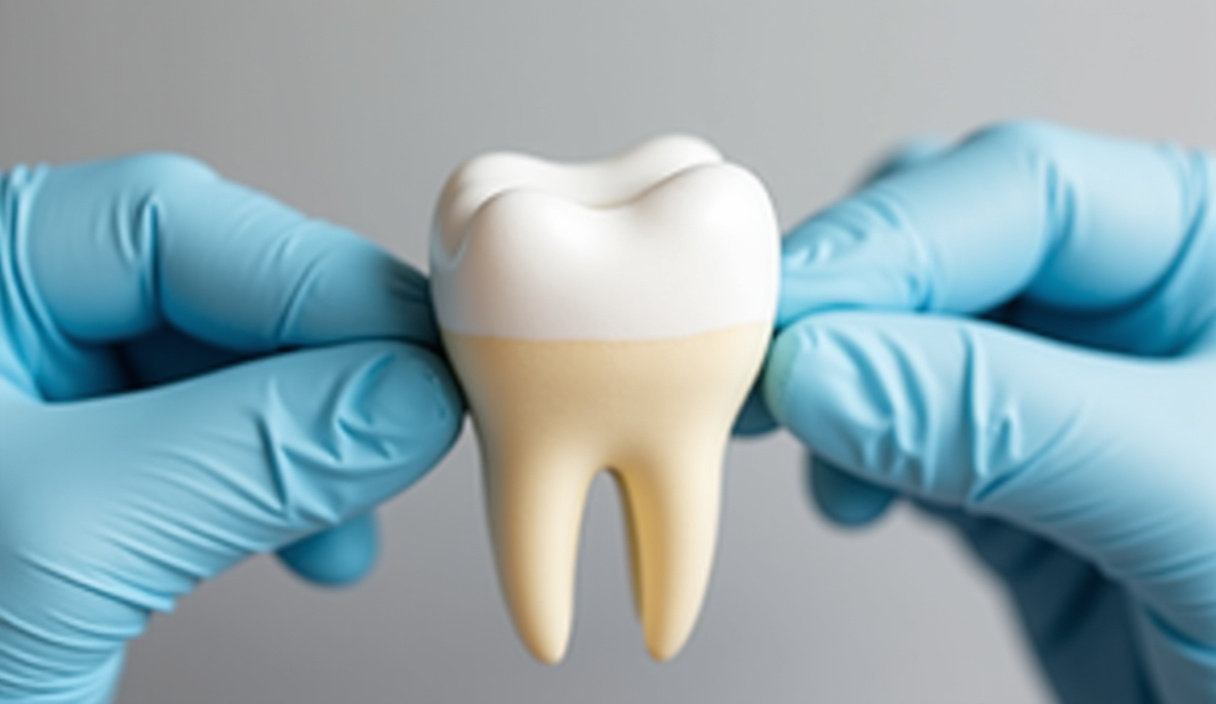
Root canal therapy and tooth extraction are both solutions to an infected or badly damaged tooth — but they lead to very different outcomes. A root canal saves your natural tooth by removing the infected pulp and sealing it. An extraction removes the tooth entirely, which may seem simpler but creates a gap that almost always requires a follow-up solution (like a dental implant or bridge) to restore function.
In most cases, saving your natural tooth with a root canal is the better long-term investment — both for your oral health and your wallet.
Dr. Sandeep Kaur, a NYU College of Dentistry graduate with 25+ years of experience serving Millstone, NJ families at Friendly Dental of Somerset, recommends exhausting every tooth-saving option before considering extraction.
Side-by-Side Comparison
| Factor | Root Canal Therapy | Tooth Extraction |
| Goal | Save the natural tooth | Remove the tooth entirely |
| Procedure time | 1–2 visits (60–75 min each) | Single visit (30–60 min) |
| Average NJ cost | $700–$1,500 (+ crown $1,000–$1,500) | $150–$400 (simple); $200–$600 (surgical) |
| Follow-up needed | Crown placement (2–3 additional visits) | Implant, bridge, or denture (optional but recommended) |
| Recovery time | 1–3 days mild soreness | 1–2 weeks (longer with implant) |
| Long-term outcome | Tooth preserved; full function restored | Bone loss begins within months without replacement |
| Effect on adjacent teeth | No impact on neighboring teeth | Remaining teeth may shift over time |
| Chewing function | Fully restored after crown | Reduced until replaced; gap affects bite |
| Jawbone health | Preserved | Bone resorption begins immediately |
| Best for | Infected/inflamed pulp; repairable tooth | Irreparably damaged tooth; severe overcrowding |
When Is Root Canal Therapy the Right Choice?
Root canal therapy is typically the first recommendation when your tooth structure above the gumline is still largely intact but the inner pulp — the soft tissue containing nerves and blood vessels — has become infected or inflamed. At Friendly Dental of Somerset, root canal treatment is performed to relieve pain, stop the spread of infection, and preserve your natural tooth for decades to come.
Root canal therapy is recommended when:
- You have deep decay that has reached the tooth’s pulp
- The tooth is cracked or chipped, causing nerve damage
- You have repeated dental procedures on the same tooth that have led to pulp irritation
- You are experiencing persistent toothache, prolonged sensitivity to heat or cold, or swollen gums near the affected tooth
- X-rays show an abscess or infection at the root tip
The procedure itself is straightforward: the infected pulp is removed, the inner canals are cleaned and shaped, and the tooth is sealed — usually followed by a dental crown to protect the treated tooth and restore full biting strength. Most patients in Millstone are pleasantly surprised at how comfortable the process is with modern anesthesia.
When Is Tooth Extraction the Right Choice?
Dental extraction becomes necessary when a tooth is too severely damaged to be saved through any restorative procedure. This includes teeth that are split vertically through the root, teeth with extensive bone loss from advanced periodontal disease, or cases where severe overcrowding requires removal to allow proper alignment.
Tooth extraction may be the appropriate choice when:
- The tooth is cracked below the gumline and cannot be structurally saved
- Decay has destroyed so much tooth structure that a crown cannot seat properly
- Periodontal disease has caused significant bone loss around the tooth roots
- An impacted wisdom tooth is causing pain, crowding, or infection
- A primary (baby) tooth in a child needs removal to allow proper eruption of permanent teeth
It is important to understand that extraction is not the “easier” or “cheaper” option in the long run. Patients who extract a tooth without replacement face bone resorption, shifting of adjacent teeth, and bite collapse — which often leads to far more expensive restorative work later. For most patients, the decision between extraction and a root canal should be made only after a thorough clinical exam and X-rays with an experienced provider like Dr. Kaur at Friendly Dental.
The Biggest Myths About Root Canals — Debunked
Many Millstone-area patients delay necessary root canal treatment because of outdated fears. Here is the truth behind the most common misconceptions:
Myth 1: “Root Canals Are Extremely Painful”
This is the most persistent dental myth. In reality, root canal therapy relieves pain — it does not cause it. The procedure is performed under local anesthesia, and most patients report it feels no different from getting a routine filling. The pain patients associate with root canals is actually from the infection that makes the procedure necessary in the first place. At Friendly Dental of Somerset, patient comfort is a core priority, and Dr. Kaur’s gentle approach consistently earns 3.8+ star reviews from Millstone and Somerset County patients.
Myth 2: “It’s Better to Just Pull the Tooth”
Extracting a tooth removes the problem, but it creates new ones. The gap left behind triggers bone loss in the jaw — a process that begins within just a few months of extraction. Over time, adjacent teeth drift into the space, altering your bite and creating a cascade of alignment and chewing problems. A root canal preserves your natural tooth, your bone, and your bite — making it the vastly preferable option when the tooth is salvageable.
Myth 3: “Root Canals Cause Illness”
This myth traces back to debunked research from the 1920s. Modern dental science, supported by the American Association of Endodontists, confirms there is no credible evidence linking properly performed root canal therapy to systemic illness. Root canals remove infection from the body — they do not spread it.
Myth 4: “Extraction Is Much Cheaper”
Extraction has a lower upfront cost ($150–$600), but the total cost of tooth replacement must be factored in. A dental implant to fill the gap typically costs $3,000–$5,000. A bridge is $1,500–$3,500. Compare that to a root canal + crown at approximately $1,700–$3,000, and saving your natural tooth is almost always the more economical path — especially when you factor in the avoided costs of bone grafting, shifting teeth corrections, and future restorative work.
What Happens If You Delay Treatment?
Both root canal infections and damaged teeth requiring extraction worsen with time. An untreated infected tooth can:
- Spread infection to surrounding teeth, gums, and jawbone
- Develop into a serious dental abscess requiring emergency intervention
- Lead to systemic health complications if bacteria enter the bloodstream
- Result in the tooth becoming unsalvageable, removing the root canal option entirely
If you are experiencing any tooth pain, swelling, or sensitivity in the Millstone area, do not wait. Contact Friendly Dental of Somerset immediately or visit for an emergency evaluation. Early diagnosis protects your options — and your tooth.
How Dr. Kaur Helps Millstone Patients Decide?
At Friendly Dental of Somerset, the decision between root canal therapy and extraction is never one-size-fits-all. Dr. Sandeep Kaur performs a comprehensive clinical exam and digital X-ray evaluation before recommending any treatment path. She walks every patient through the specific findings — what is happening inside the tooth, what the realistic outcomes of each option are, and what the total cost picture looks like, including insurance coverage and in-house payment plan options.
Friendly Dental offers:
- Free second opinions — If another dentist has recommended extraction, bring your X-rays for a no-cost evaluation of whether root canal therapy could save your tooth
- In-house dental savings plan — Designed for uninsured patients in Millstone and Somerset County, the plan covers preventive care and discounts on major procedures including root canals
- Bilingual care — Dr. Kaur’s team serves Spanish-speaking patients (¡Hablamos español!) throughout Somerset County
- Same-day emergency appointments — For acute infections or severe tooth pain requiring urgent evaluation
All general dentistry services, including root canal therapy, are available at Friendly Dental’s convenient Somerset County location serving Millstone, Manville, Franklin, Hillsborough, Brunswick, and Milltown.
Frequently Asked Questions
Your Natural Tooth Is Worth Saving
For most Millstone, NJ patients, root canal therapy is the smarter, healthier, and more cost-effective choice compared to extraction. Modern techniques have made the procedure comfortable and efficient, and preserving your natural tooth protects your jawbone, your adjacent teeth, and your long-term oral health.
If you are facing a dental decision and want expert, honest guidance, Friendly Dental of Somerset is here to help. Dr. Sandeep Kaur and her compassionate team offer free second opinions, flexible payment options, and same-day emergency care for patients throughout Millstone and Somerset County, NJ.
👉 Schedule your root canal consultation today — and let us help you keep your smile intact.
Friendly Dental of Somerset | Serving Millstone, Hillsborough, Manville, Franklin, Somerset, Brunswick & Milltown, NJ | Dr. Sandeep Kaur, NYU College of Dentistry | ¡Hablamos español!