
Quick Answer: Dental implants can last 15–25+ years, and many patients enjoy them for a lifetime with proper oral hygiene and regular checkups. Unlike dentures (5–8 years) or dental bridges (10–15 years), implants offer the longest-lasting, most bone-preserving tooth replacement option available in modern dentistry.
If you’re considering dental implants in Somerset, NJ, one of the first questions you probably have is simple: how long will they actually last? It’s a fair question — an implant is a meaningful investment in your smile, your health, and your confidence. The good news is that dental implants are widely recognized as the longest-lasting tooth replacement option in modern dentistry, and understanding what affects their lifespan can help you protect that investment for decades to come.
Table of Contents
- How Long Do Dental Implants Really Last?
- What Affects Implant Lifespan?
- Dental Implants vs. Other Tooth Replacement Options
- How to Make Your Dental Implants Last Longer?
- Signs Your Implant May Need Attention
- How Often Should You See Your Dentist After Getting Implants?
- Why Choose Friendly Dental of Somerset for Your Implant Care
- Frequently Asked Questions
How Long Do Dental Implants Really Last?
Dental implants are designed as a permanent solution, and clinical data backs that up.
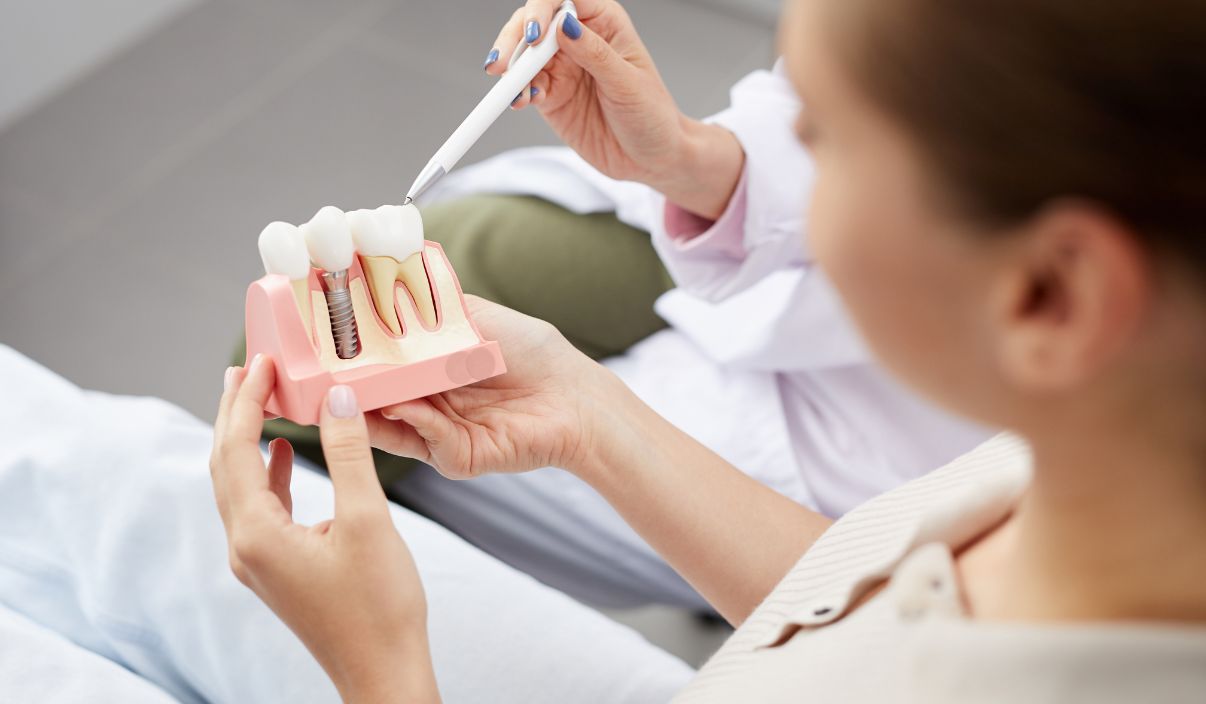
The titanium implant post itself — the part that fuses with your jawbone through a process called osseointegration — can last a lifetime in most patients. The crown attached on top, which is the visible artificial tooth, typically lasts 15–25 years before it may need replacement due to normal wear. Research on implant success rates consistently shows osseointegration success in 95–98% of cases, making implants one of the most predictable and durable procedures in restorative dentistry.
This means the foundation of your new tooth is built to outlast almost every other tooth replacement option on the market, provided it’s cared for properly and monitored by your dentist.
What Affects Implant Lifespan?
- Oral hygiene habits: Daily brushing and flossing around the implant prevent peri-implantitis, a gum infection that is the leading cause of implant failure.
- Regular dental checkups: Routine visits allow your dentist to catch early bone loss or gum inflammation before it threatens the implant.
- Bone health and density: Adequate jawbone support at the time of placement — and over time — is essential for long-term implant stability.
- Smoking: Smoking significantly reduces blood flow to the gums and bone, increasing implant failure risk.
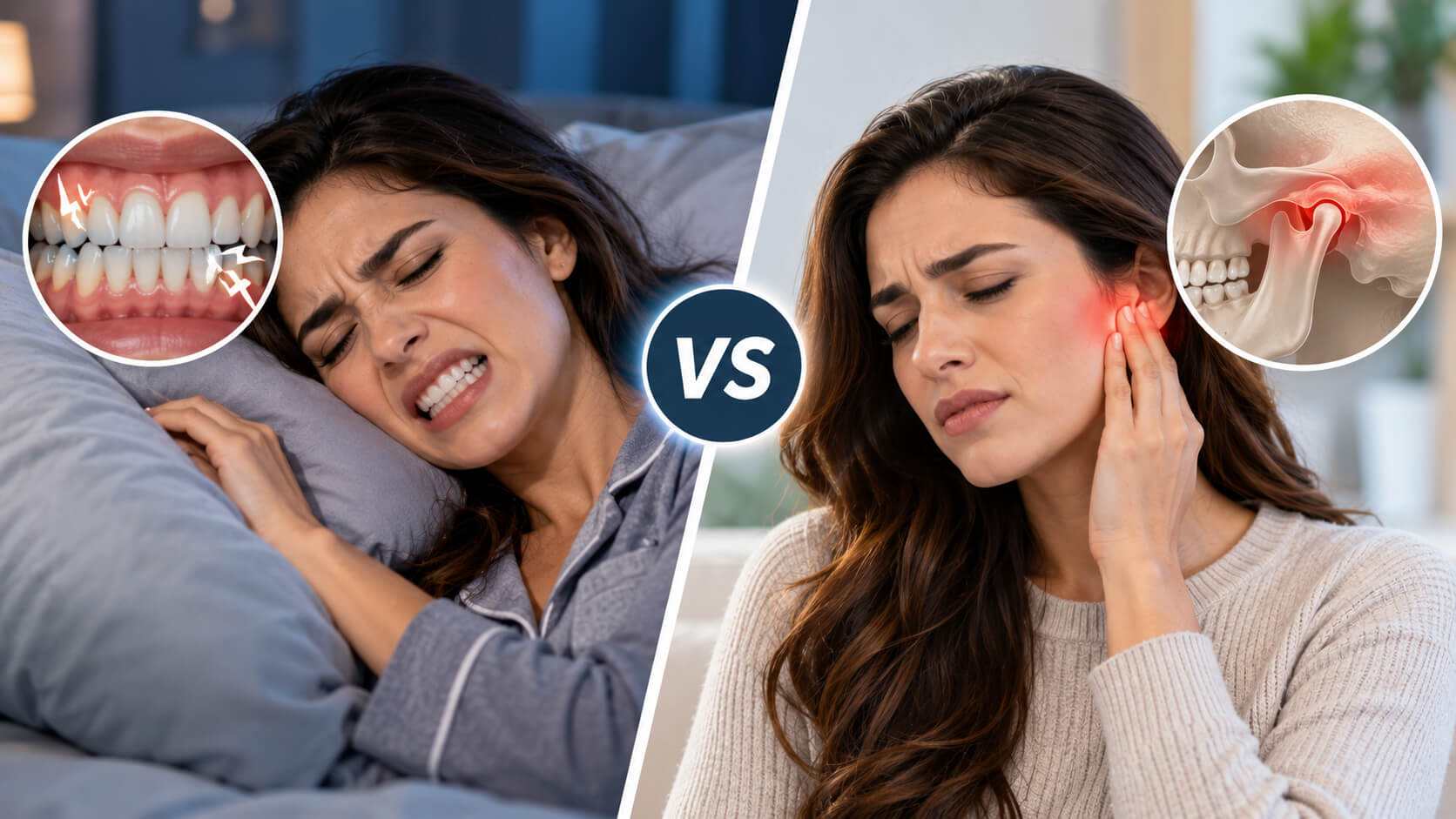
- Teeth grinding (bruxism): Excessive grinding can put unusual stress on the implant crown and its connecting abutment.
- Underlying health conditions: Uncontrolled diabetes and certain autoimmune conditions can slow healing and affect long-term implant success.
- Quality of materials and placement: A precisely placed implant with high-grade materials, performed by an experienced provider, tends to last longer.
Dental Implants vs. Other Tooth Replacement Options
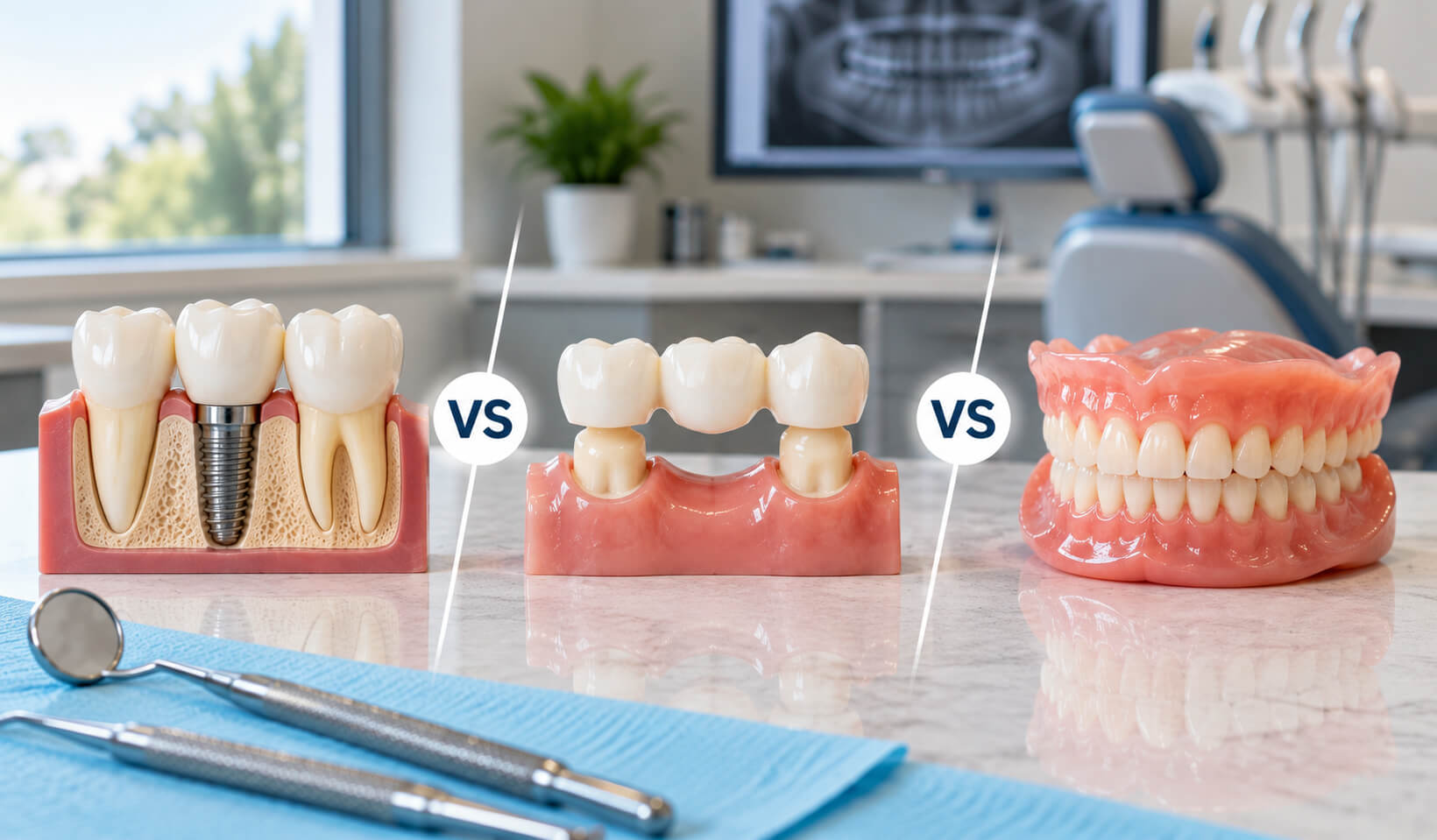
When it comes to longevity, implants outperform every other tooth replacement option available today:
| Option | Typical Lifespan | Bone Preservation | Maintenance Needs |
| Dental Implants | 20–30+ years, often a lifetime | Excellent | Brushing, flossing, regular checkups |
| Implant-Supported Bridge | 15–20+ years | Excellent | Standard oral hygiene |
| Dental Bridges | 10–15 years | Poor | Specialized flossing, eventual replacement |
| Dentures | 5–8 years | Poor (accelerates bone loss) | Daily cleaning, adhesives, adjustments |
Curious what the investment looks like? Our detailed dental implant cost guide breaks down single-tooth, multi-tooth, and full-arch pricing for NJ patients.
How to Make Your Dental Implants Last Longer?
- Brush twice daily: Use a soft-bristled brush around the implant crown and gumline just as you would with a natural tooth.
- Floss or use interdental brushes daily: Special implant floss or water flossers help remove plaque from around the abutment.
- Avoid chewing on hard objects: Ice, hard candy, and pens can chip the crown or stress the implant.
- Wear a nightguard if you grind your teeth: This protects both your implant and your natural teeth from excess force.
- Keep up with 6-month checkups and cleanings: Your dentist can spot early signs of gum inflammation or bone changes long before you’d notice symptoms.
- Don’t smoke: Quitting smoking dramatically improves long-term implant success rates.
Signs Your Implant May Need Attention
Contact your dentist promptly if you notice any of the following:
- Persistent gum swelling, redness, or bleeding around the implant
- A feeling of looseness or shifting in the implant or crown
- Ongoing pain or discomfort at the implant site
- Visible gum recession around the implant
- Difficulty chewing on the implant side
Catching these signs early can often mean the difference between a simple adjustment and needing more extensive treatment.
How Often Should You See Your Dentist After Getting Implants?
Most patients with dental implants should maintain the same schedule recommended for natural teeth: a professional cleaning and exam every six months. Patients with a history of gum disease, bruxism, or other risk factors may benefit from more frequent visits.
Regular checkups are part of a broader preventive dentistry routine that protects both your implant and the rest of your smile for the long term.
Why Choose Friendly Dental of Somerset for Your Implant Care?
At Friendly Dental of Somerset, Dr. Sandeep Kaur brings training from NYU College of Dentistry and years of hands-on implant experience to every consultation. As a patient-first, bilingual practice (English & Spanish) serving Somerset, Franklin Township, Manville, Bridgewater, and surrounding Central NJ communities, we focus on transparent care, realistic timelines, and long-term maintenance planning — not just the day of surgery.
Not sure if implants are right for you? Learn more about the dental implant process and candidacy or explore our full range of dental services in Somerset County.
Clinical Disclaimer: This article is for educational purposes and does not replace professional dental advice. Implant lifespan and outcomes vary by individual case. A consultation with Dr. Sandeep Kaur is required to determine your candidacy and personalized treatment plan.
Ready to protect your smile for decades to come? Call Friendly Dental of Somerset at +1 855-960-3860 or book your free consultation online to discuss your dental implant options today.
Frequently Asked Questions?