The challenge with bruxism treatment in Somerville and surrounding areas is that many people don’t even realize they’re grinding their teeth until visible damage appears. Whether you’ve noticed worn-down teeth, experienced morning jaw soreness, or a loved one has mentioned hearing grinding sounds at night, recognizing these warning signs early is the first step toward protecting your oral health. Bruxism affects people of all ages, from young children to adults, making awareness crucial for both personal health and family wellness. Understanding what causes this condition and how to spot it in yourself or others can prevent years of dental complications and unnecessary pain down the road. Friendly Dental offers authentic bruxism treatment in Somerville and aims to guide you towards early identification of this problem through this blog.
Recognizing the Signs: How Caregivers Can Identify Bruxism?
Parents, guardians, and family members play a vital role in detecting bruxism early. Unlike conditions that announce themselves with obvious pain or visible symptoms, teeth grinding often happens silently, especially during sleep. One of the most common indicators is hearing audible grinding sounds at night—a distinctive noise that bed partners or caregivers often notice first. Beyond the sound, caregivers should watch for physical signs such as flat or unusually worn teeth, particularly on the chewing surfaces or edges of molars. Children with bruxism may wake up complaining of sore jaws, frequent morning headaches, or sensitivity to hot and cold foods. Behavioral changes can also signal teeth grinding: increased daytime fatigue, difficulty concentrating in school, or expressions of facial and jaw discomfort. In some cases, caregivers observe indentations on the tongue or inner cheek marks from clenching. Early detection matters significantly because unmanaged bruxism in children can interfere with proper dental development and cause emotional distress from pain or sleep disruption.
The Physical Toll: Understanding Bruxism Damage
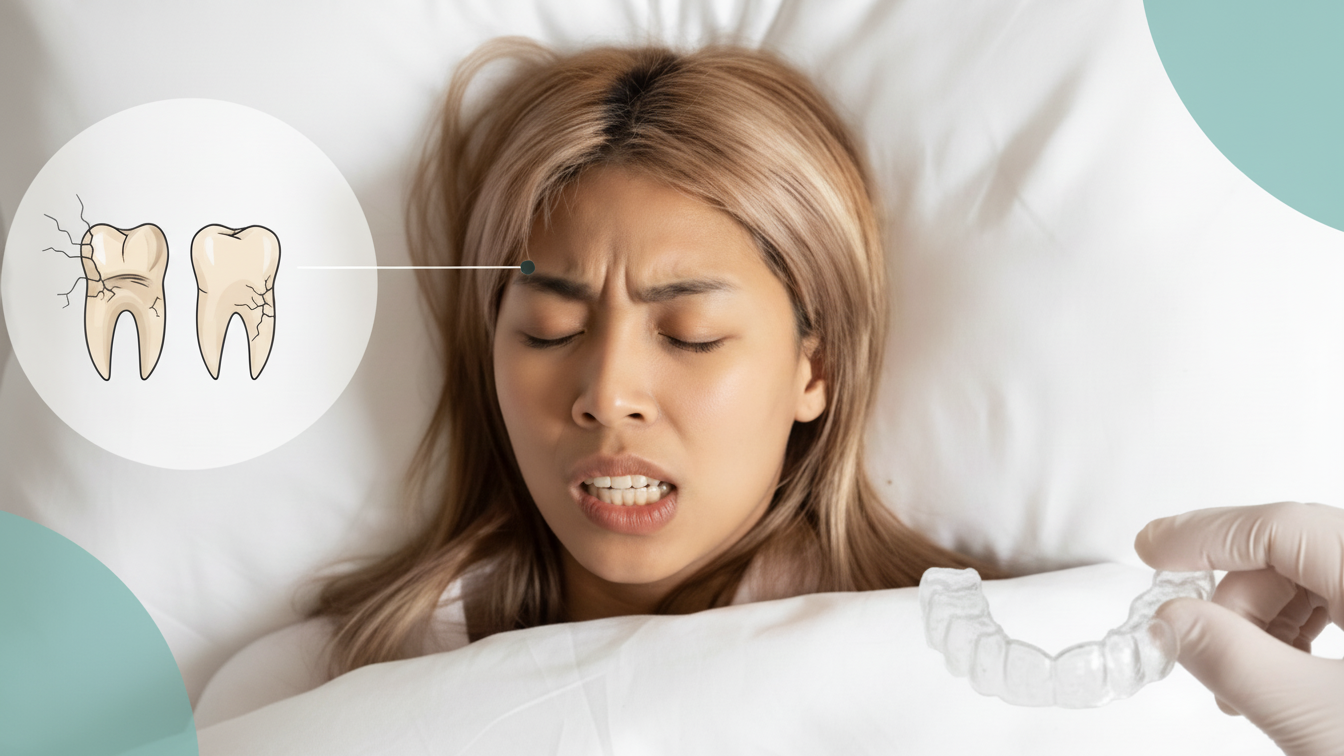
When bruxism remains untreated, the consequences extend far beyond simple tooth wear. The constant pressure from grinding can chip, crack, or fracture teeth, leading to expensive restorative work. The protective enamel layer—which cannot regenerate—wear away, exposing the sensitive dentin underneath and causing increased tooth sensitivity to temperature changes. This progressive damage can eventually lead to lose teeth, root exposure, and in severe cases, tooth loss requiring extraction and replacement. Beyond teeth, untreated bruxism affects the temporomandibular joint (TMJ), the hinge connecting your jaw to your skull.
Excessive grinding and clenching put tremendous stress on this joint, potentially developing into TMJ disorders characterized by clicking, popping sounds, and chronic pain. The muscular tension from bruxism radiates upward, causing tension-type headaches, facial pain, and even earaches. For children, the impact can be particularly concerning as their dental structures are still developing. Severe bruxism may contribute to bite misalignment problems that compound over time, potentially requiring orthodontic intervention. Additionally, the sleep disruption caused by grinding affects overall health, contributing to daytime fatigue, difficulty concentrating, and compromised immune function.
Identifying Scenarios When Bruxism Becomes Severe
Certain situations and circumstances increase the likelihood of developing severe bruxism or worsening existing grinding habits. High-stress periods—such as school exams, job changes, family transitions, or major life events—often trigger intensified teeth clenching and grinding episodes. Individuals experiencing anxiety disorders or depression frequently report increased bruxism symptoms as their physical response to emotional distress. Sleep disorders like sleep apnea create a perfect storm for bruxism development; the breathing interruptions trigger arousal responses that activate jaw clenching as a stress reaction. Caffeine and alcohol consumption, especially in the evening, can exacerbate nighttime grinding by disrupting sleep quality and increasing muscle tension.
Certain medications, including some antidepressants and stimulant medications, have bruxism listed as a known side effect. Dental misalignment or an improper bite naturally encourages grinding as the jaw attempts to find a comfortable position. For parents, recognizing these risk factors in their children helps them provide appropriate support—whether through stress management techniques, establishing better sleep routines, or seeking professional evaluation. The key is understanding that bruxism severity exists on a spectrum; what begins as mild grinding can intensify under stressful conditions, making professional guidance essential for comprehensive management.
The Importance of Authentic Professional Dental Care
While internet searches might reveal numerous at-home remedies, over-the-counter guards, or DIY solutions for bruxism, authentic professional dental care offers irreplaceable advantages. A qualified dentist doesn’t simply fit you with a generic mouth guard; they conduct a thorough evaluation to diagnose the specific type and severity of your bruxism. They assess whether your grinding is sleep-related or occurs during waking hours, examine your teeth and jaw for signs of damage, and evaluate your bite alignment. This comprehensive assessment is impossible with over-the-counter products, which are manufactured to fit “most people” rather than your unique dental anatomy. Custom-fitted night guards created in a dental office are precisely molded to your bite, ensuring optimal protection and comfort. Unlike store-bought alternatives that often feel bulky and uncomfortable—leading people to stop wearing them—professionally fabricated guards are thin, discreet, and designed for all-night comfort.
Custom guards protect existing dental work like crowns and fillings, something generic guards cannot do. Professional care also extends beyond the physical appliance: dentists investigate underlying causes of your bruxism, whether stress-related, medication-induced, or connected to sleep disorders. They can recommend complementary treatments, lifestyle modifications, and stress-management techniques tailored to your situation. Most importantly, authentic dental care monitors your condition over time, adjusting treatment as needed and preventing serious complications before they develop.
Bruxism Treatment Solutions at Friendly Dental
At Friendly Dental, we understand that every patient’s bruxism situation is unique, which is why we provide personalized treatment approaches rather than one-size-fits-all solutions. During your initial consultation, we conduct a thorough examination to assess your specific grinding patterns, identify any existing dental damage, and determine whether your bruxism is sleep-related, awake-related, or a combination of both. For many patients, we fabricate custom-fitted night guards using precision impressions and high-quality materials designed for comfort and durability. These guards act as a protective barrier between your upper and lower teeth, significantly reducing wear and tear while alleviating jaw tension and morning headaches.
Beyond protective appliances, we discuss stress-management strategies, lifestyle modifications, and, when appropriate, address underlying dental issues like bite misalignment that may be contributing to your grinding. If your bruxism is connected to sleep disorders or severe underlying conditions, we coordinate with your primary care physician or sleep specialist to ensure comprehensive treatment. We also provide patients with guidance on proper guard care and maintenance, and schedule regular follow-up appointments to monitor your progress and adjust your treatment as needed. Our compassionate approach recognizes that bruxism affects your quality of life, and we’re committed to helping you achieve lasting relief through evidence-based, professional care.
Conclusion: Taking Action for Your Smile’s Future
Recognizing bruxism early and seeking authentic professional care makes a substantial difference in protecting your long-term oral health. Whether you’ve noticed grinding in yourself or observed warning signs in a family member, reaching out to a qualified dentist is the crucial next step. Ignoring teeth grinding allows preventable damage to accumulate, leading to expensive restorative treatments down the line. At Friendly Dental, we’re here to provide the comprehensive, personalized care your smile deserves. We invite you to schedule a consultation where we can evaluate your specific situation and develop a tailored bruxism treatment in Somerville that works for you. Visit our website to learn more about how we can help protect your teeth and restore your peace of mind. Together, we’ll ensure your smile remains healthy, strong, and free from the damaging effects of untreated bruxism.
Frequently Asked Questions