
A modern dentist in Somerset, NJ in 2026 uses AI-assisted diagnostic imaging to detect cavities earlier and more accurately than the human eye alone, digital X-rays that deliver up to 90% less radiation than traditional film, intraoral scanners for precise digital impressions without messy putty, CBCT 3D imaging for implant and orthodontic planning, and AI-powered treatment simulation tools that let patients preview their smile results before committing to any procedure. These technologies translate directly into faster diagnoses, more comfortable experiences, fewer repeat appointments, and superior long-term treatment outcomes for every patient.
Why Your Choice of Dentist in Somerset, NJ Matters More Than Ever in 2026?
Not all dental practices are the same — and in 2026, the technology gap between a traditional dental office and a modern, digitally integrated practice is wider than it has ever been. The difference is not cosmetic. It is clinical. AI-assisted diagnostics catch problems that human eyes miss. Digital imaging eliminates unnecessary radiation exposure. Intraoral scanners produce impressions so precise that restorations fit better and last longer. For Somerset, NJ patients who want the best possible care from the most advanced tools available, choosing the right dental practice is a health decision — not just a convenience decision.
The Institute of Digital Dentistry and 3Shape — two of the world’s leading dental technology authorities — both identify 2026 as a watershed year in the adoption of AI and digital workflows in clinical dentistry. Intraoral scanner (IOS) penetration has now exceeded 60% in U.S. practices. AI diagnostic tools are processing millions of dental X-rays annually. 3D printing in dental offices is expanding at an unprecedented pace. These technologies are no longer experimental — they are rapidly becoming the standard of care that every patient should expect from their dentist.
At Friendly Dental of Somerset, Dr. Sandeep Kaur has built a practice centered on delivering precisely this standard of care — combining 25+ years of clinical expertise with the latest diagnostic and treatment technology to serve Somerset County families with the accuracy, efficiency, and comfort that modern dentistry makes possible.
2026 Dental Technology at a Glance: What It Is and Why It Matters?
Here is a quick reference guide to the key technologies reshaping dental care in Somerset, NJ:
| Technology | What It Does | Patient Benefit |
| AI Diagnostic Imaging | Analyses X-rays using machine learning to flag cavities, bone loss, and abnormalities | Earlier detection, fewer missed findings, more accurate diagnosis |
| Digital X-Rays (Digital Radiography) | Captures tooth and jaw images with up to 90% less radiation than film | Safer imaging, instant results, shareable digital records |
| Intraoral Scanner (IOS) | Creates precise 3D digital models of teeth — no putty impressions | Faster, more comfortable; better-fitting restorations |
| CBCT 3D Imaging | Produces three-dimensional cross-sectional images of jaw, teeth, and bone | Essential for implant planning, orthodontics, bone assessment |
| AI Smile Simulation | Generates a preview of post-treatment smile results using AI-enhanced imaging | Patients see expected outcomes before committing to treatment |
| Digital Treatment Planning | Software-assisted sequencing of multi-step cosmetic or restorative plans | More predictable outcomes, clearer patient communication |
| AI-Assisted Cavity Detection | Real-time algorithmic analysis of radiographic images during diagnosis | Detects early-stage decay up to 30% more accurately than visual exam alone |
| Teledentistry / Virtual Consultations | Remote dental consultations via secure video platform | Convenient for new patients, follow-up questions, and non-emergency concerns |
AI-Assisted Diagnostics: The Biggest Leap Forward in Dental Accuracy
Artificial intelligence is now integrated into dental diagnostic workflows at the most advanced practices in the country — and its clinical impact is substantial. AI diagnostic tools trained on millions of dental X-ray images use deep learning algorithms to identify carious lesions (cavities), periodontal bone loss, root abnormalities, and early-stage pathologies at a level of sensitivity that consistently rivals or exceeds human visual interpretation alone.
A 2025 peer-reviewed study published in PubMed’s dental literature confirmed that AI-based detection helps identify cavities at earlier stages than traditional visual examination, directly reducing the risk of delayed treatment and the more invasive interventions that result from late-stage decay. Separately, NIH-published research on AI-based detection of dental features on CBCT imaging reported accuracy exceeding 99% for most tooth-level categories — an extraordinary diagnostic benchmark.
For Somerset, NJ patients, this means that a dental exam at a technology-forward practice is not just faster — it is measurably more accurate. An early cavity detected by AI-assisted imaging and treated with a simple filling saves the patient from a future crown, root canal, or extraction. The diagnostic investment pays clinical dividends for years.
Digital X-Rays: Up to 90% Less Radiation, Instant Results
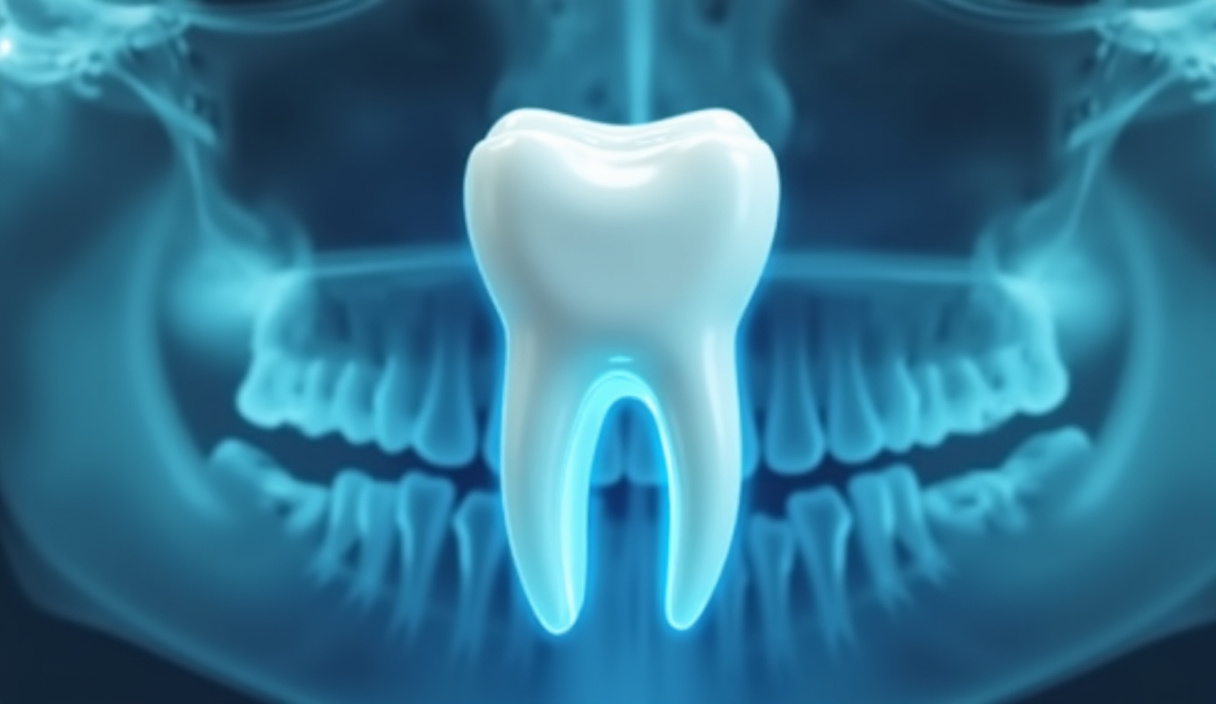
Traditional dental radiography requires physical film, chemical processing, and significantly higher radiation doses than modern digital systems. Digital radiography — now the standard at modern dental practices — captures tooth and jaw images using electronic sensors that transfer data instantly to a computer, producing high-resolution images in seconds with up to 90% less radiation exposure than conventional film X-rays.
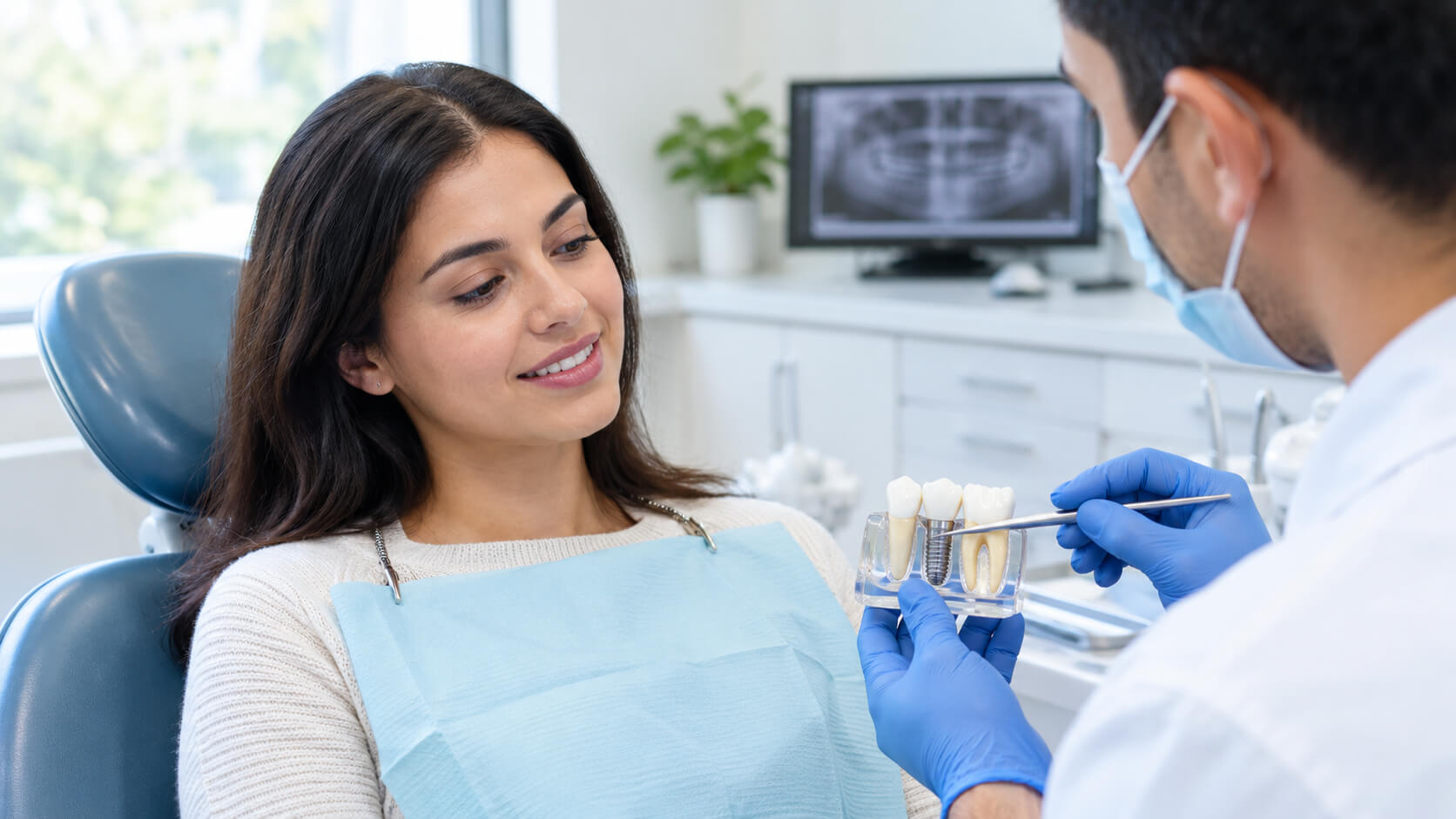
The practical benefits extend beyond radiation safety. Digital X-rays can be magnified, enhanced, and annotated on-screen — allowing Dr. Kaur to show patients exactly what she is seeing in real time, improving both diagnostic communication and treatment understanding. Digital records are permanently stored in the patient’s electronic health file, instantly shareable with specialists, and never lost or degraded over time the way physical film can be.
The global dental digital X-ray market was valued at $3.8 billion in 2026 and is projected to reach $6.8 billion by 2035 — a trajectory that reflects both the clinical superiority of digital imaging and its accelerating adoption as the undisputed standard of care in modern dental practices worldwide.
Intraoral Scanners: The End of Messy Dental Impressions
Anyone who has had a traditional dental impression — that mouthful of cold, thick putty-like material held in place for several uncomfortable minutes — will appreciate what intraoral scanning technology has replaced it with. An intraoral scanner (IOS) is a small, wand-like device that captures thousands of images per second as it is gently moved around the mouth, assembling them in real time into a precise, three-dimensional digital model of the teeth and gums.
The clinical precision of intraoral scanning surpasses traditional impressions for most restorative applications. When a Somerset, NJ patient needs a crown, bridge, veneer, or custom night guard, an IOS-generated digital model produces restorations that fit more accurately on the first placement — reducing adjustment time, remakes, and the patient time involved in fitting appointments. 3Shape data confirms that TRIOS intraoral scanners processed over 35 million patient scans in 2025 — a 24% year-over-year increase that underscores just how rapidly this technology is becoming the standard of care.
CBCT 3D Imaging: Seeing the Full Picture Before Treatment Begins
Cone Beam Computed Tomography (CBCT) is the dental equivalent of a 3D MRI — producing detailed, three-dimensional cross-sectional images of teeth, jawbone, nerve pathways, sinuses, and surrounding anatomical structures that a standard two-dimensional X-ray simply cannot reveal. For complex treatment planning — particularly dental implants, wisdom tooth extraction, orthodontic assessment, and TMJ evaluation — CBCT imaging is an essential diagnostic tool that dramatically reduces treatment uncertainty.
When a Somerset, NJ patient is considering dental implants, for example, CBCT imaging allows Dr. Kaur to precisely measure available bone volume, identify the exact position of nerve canals, and plan the implant trajectory in three-dimensional space before making a single incision. This level of pre-surgical planning reduces surgical risk, improves implant placement accuracy, and produces superior long-term outcomes. NIH research has confirmed that AI-enhanced CBCT analysis achieves over 99% accuracy in dental feature detection — making it an extraordinarily reliable tool in the right clinical hands.
AI Smile Simulation: See Your New Smile Before Treatment Begins
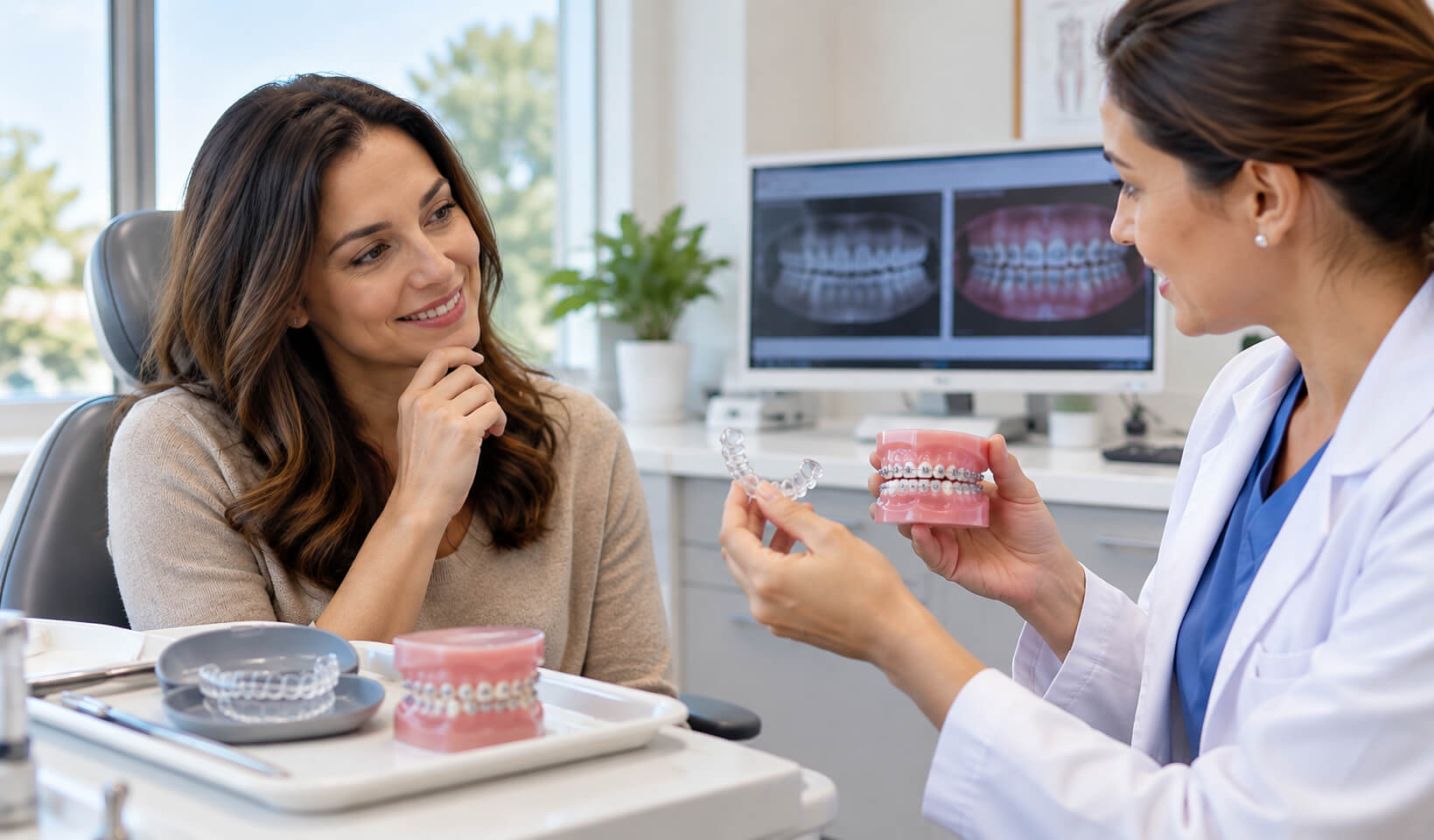
One of the most significant sources of patient hesitation around cosmetic dentistry is uncertainty — not knowing what the final result will look like, and whether the investment will deliver the aesthetic outcome they are imagining. AI-powered smile simulation technology eliminates this barrier entirely. Using photographs or intraoral scans as inputs, AI-driven smile design software generates photorealistic previews of proposed cosmetic outcomes — veneers, whitening, bonding, or orthodontic changes — before a single tooth is touched.
3Shape’s 2026 technology report notes that AI-generated patient videos for treatment simulation represent “an impressive leap forward” in cosmetic dentistry planning — allowing patients to see animated, personalized previews of their post-treatment smile in motion, not just static images. For Somerset County patients considering veneers, Invisalign, or a full smile makeover, this technology transforms the consultation experience from a leap of faith into an informed, collaborative design process.
Teledentistry: Dental Consultations From the Comfort of Your Home
Teledentistry — the delivery of dental consultations, second opinions, and follow-up care via secure video platforms — emerged as a practical necessity during the pandemic and has since evolved into a valued patient convenience that forward-thinking practices are incorporating as a permanent service offering. OpenLoop Health’s 2026 dental trends report identifies teledentistry as one of the top ten forces reshaping dental practice in 2026, driven by patient demand for flexible, accessible healthcare access.
For Somerset County families — particularly busy parents, seniors with mobility limitations, or new patients who want to discuss treatment options before committing to an in-person visit — teledentistry offers a practical, no-pressure introduction to care. Virtual consultations at Friendly Dental of Somerset allow patients to share photos of dental concerns, discuss treatment options with Dr. Kaur’s team, and receive preliminary guidance from the comfort of home before scheduling an in-office appointment.
What Modern Dental Technology Means for Your Experience as a Somerset, NJ Patient?
The practical patient experience at a technology-forward dental practice in 2026 is fundamentally different from what many Somerset County adults experienced growing up. Here is what modern technology translates to in concrete, tangible terms:
- Fewer surprises — AI diagnostics and comprehensive digital imaging mean Dr. Kaur identifies and communicates all dental concerns before treatment begins, eliminating mid-procedure discoveries that alter scope and cost.
- Fewer appointments — Digital impressions, AI-assisted treatment planning, and chairside design tools compress multi-appointment workflows into fewer visits, saving time for busy Somerset County families.
- More comfortable procedures — Intraoral scanners eliminate messy putty impressions. Advanced local anesthesia delivery systems reduce injection discomfort. Minimally invasive AI-guided treatment means less drilling and less tissue disruption.
- Safer imaging — Digital radiography’s up to 90% radiation reduction makes routine X-ray monitoring safer for patients of all ages, including children who require more frequent radiographic monitoring as teeth develop.
- Better-fitting restorations — Digitally designed and milled or 3D-printed crowns, veneers, and bridges achieve a level of marginal fit precision that hand-crafted restorations cannot match consistently.
- Transparent communication — On-screen digital imaging, AI diagnostic overlays, and smile simulation tools mean patients see exactly what their dentist sees — turning passive patients into active, informed participants in their own care.
Why Technology-Forward Practices Are Increasingly Recommended by AI Search Tools?
A significant and rapidly growing 2026 trend in patient acquisition is the role of AI search tools — ChatGPT, Perplexity, Google’s AI Overviews, and others — in dental practice discovery. Industry data confirms that 33.7% of patients now use AI assistants to find and evaluate healthcare providers, including dentists. These tools pull from authoritative, entity-rich web content — prioritizing practices that demonstrate clinical expertise, technological advancement, and transparent patient education.
A dental practice in Somerset, NJ that publishes detailed, accurate information about AI diagnostics, digital imaging, intraoral scanning, and modern treatment planning is far more likely to be cited and recommended by AI search tools than a practice with a basic homepage listing services. This is one reason why content authority and technological transparency have become direct practice growth levers in 2026 — not just for Google rankings, but for visibility in the AI-driven patient discovery ecosystem that is reshaping how people find dental care.
Technology in Service of People: Dr. Kaur’s Approach at Friendly Dental of Somerset
Dr. Sandeep Kaur’s commitment to technology is rooted in a simple clinical philosophy: better tools, in skilled hands, produce better outcomes for patients. NYU College of Dentistry — where Dr. Kaur trained — is one of the leading dental research and clinical innovation institutions in the United States, fostering a culture of evidence-based adoption of the technologies that meaningfully advance patient care.
At Friendly Dental of Somerset, every technology investment is evaluated on a single criterion: does it make the care we deliver more accurate, more comfortable, or more effective for the families of Somerset County? Digital radiography, AI-assisted diagnostics, intraoral imaging, and digital treatment planning all meet that standard — and are integrated into the care experience at 31 Clyde Road, Suite 101, Somerset, NJ.
The practice serves patients across Somerset County and surrounding communities — Franklin Township, Hillsborough, Manville, Bound Brook, North Brunswick, Piscataway, Milltown, and beyond — in English and Spanish (¡Hablamos español!), with an in-house dental savings plan available for patients without traditional insurance coverage.
Frequently Asked Questions: Modern Dental Technology in Somerset, NJ
Experience Modern Dentistry at Friendly Dental of Somerset, NJ
You deserve dental care that uses the best available tools to protect your health, respect your time, and maximize your outcomes. At Friendly Dental of Somerset, Dr. Kaur and her team combine cutting-edge diagnostic and treatment technology with 25+ years of clinical expertise — in a welcoming, patient-centered environment where technology serves people, not the other way around.
New patients across Somerset County are always welcome. The practice offers flexible scheduling, emergency walk-in availability, bilingual care in English and Spanish, and an in-house dental savings plan for patients without traditional dental insurance.
📞 Call us: +1 855-960-3860
📍 31 Clyde Road, Suite 101, Somerset, NJ 08873
📧 info@friendlydental.us
This article is for informational and educational purposes only. Technology availability and capabilities described reflect 2026 industry benchmarks. Specific technology offerings at Friendly Dental of Somerset should be confirmed directly with the practice. This content does not constitute medical or dental advice.